
Seasonal SEO: How PEI Tourism & Summer Businesses Can Rank Before the Season Starts
If you wait until July to think about SEO, it's already too late. Here's how PEI tourism operators and seasonal businesses can rank before the summer rush.
Steve Brousseau
Founder, Brousseau Design

Here is the problem with seasonal SEO: by the time you realise you need it, it is already too late to do anything about it.
If you run a tourism operation, a seasonal restaurant, a summer rental, or any business that depends on the July and August rush on PEI, your Google rankings for the summer season are largely determined by what you do in the spring — and ideally, the fall before that. Waiting until the tourists arrive to think about your search visibility is like planting seeds in August and wondering why there is nothing to harvest.
The good news is that seasonal SEO is not complicated. It just requires doing the right things at the right time.
How Google Handles Seasonal Search Behaviour
Search volume for tourism-related queries follows a predictable pattern. Searches for "PEI cottages," "things to do in Prince Edward Island," and "restaurants Charlottetown" start climbing in March and April as people begin planning their summer trips. They peak in June and July, then taper off through August and September.
Google's algorithm does not rank pages overnight. It takes time — often weeks or months — for new or updated content to be crawled, indexed, and tested in search results. If you publish a new page targeting "PEI beach rentals" in late June, it may not rank meaningfully until August at the earliest. By then, the season is half over.
The businesses that dominate PEI summer search results are the ones that started their SEO work in February, March, and April — well before the season begins.
Update Your Google Business Profile for the Season
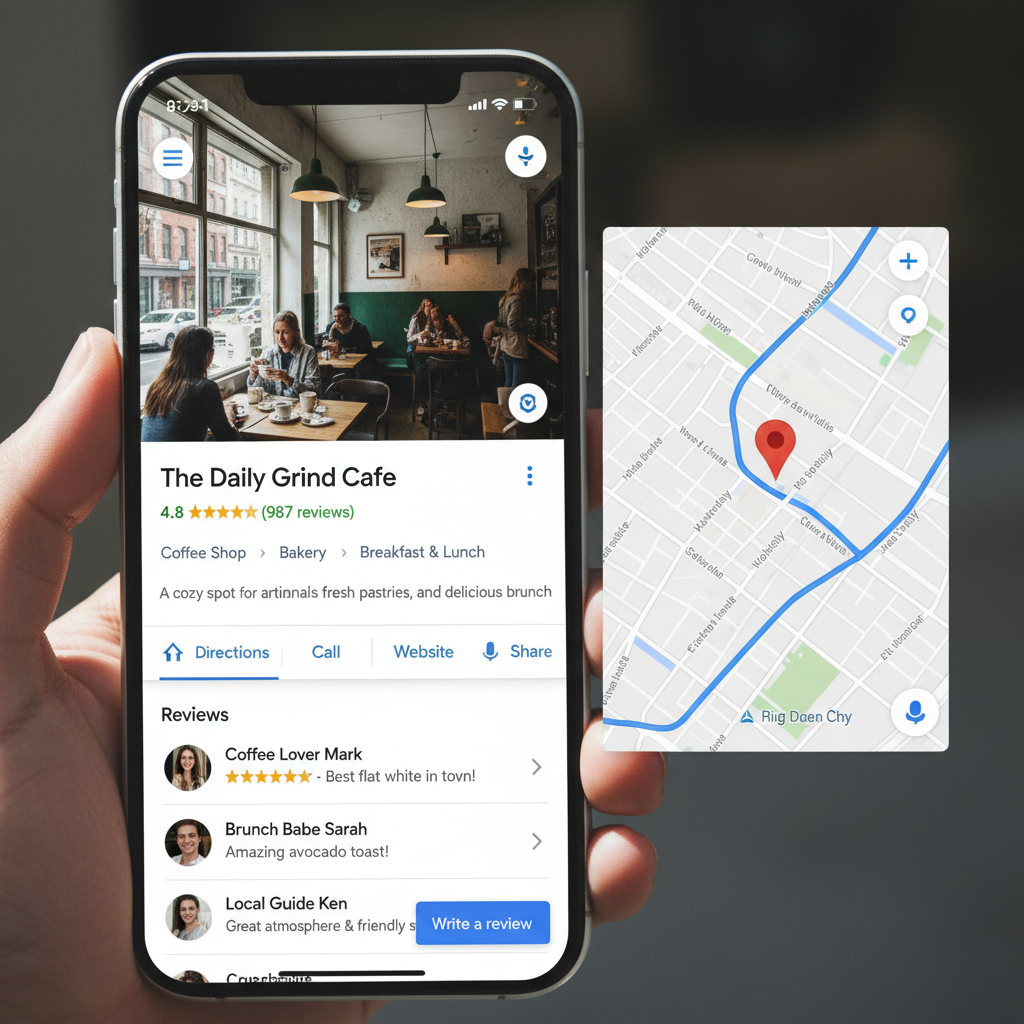
Your Google Business Profile is the first thing most visitors see when they search for your business or businesses like yours. Before the season starts, make sure it is fully updated and optimised for summer traffic.
- Update your hours — If your summer hours differ from your off-season hours, update them now. Incorrect hours are one of the most common reasons businesses lose customers who show up at the wrong time.
- Add seasonal photos — Fresh, high-quality photos of your business in summer conditions signal to Google and to visitors that your profile is active and current.
- Post seasonal content — Use the Posts feature to share what is new this season: new menu items, new experiences, special packages, or upcoming events. Post at least once a week throughout the season.
- Update your description — Include seasonal keywords naturally in your business description. "Open for the 2026 summer season" and specific mentions of your location and offerings help Google understand your relevance to seasonal searches.
Understand "Near Me" Search Behaviour From Visitors
A significant portion of summer search traffic on PEI comes from visitors who are already on the Island. These are people searching "restaurants near me," "things to do near Cavendish," or "kayak rentals PEI" from their phones while they are actively exploring.
This search behaviour is different from the planning searches that happen months in advance. These visitors are ready to act immediately — they want to find something, go there, and spend money. Capturing this traffic requires:
- A fully optimised Google Business Profile — This is what powers "near me" results. Your profile needs accurate location data, current hours, and recent activity.
- A fast, mobile-friendly website — Visitors searching on their phones will not wait for a slow site. Three seconds or less is the target.
- Clear, immediate calls to action — "Book Now," "Get Directions," "Call Us" — make it easy for a visitor who is already interested to take the next step instantly.
Build Content Ahead of Peak Season
Content that targets seasonal search terms needs to be published and indexed before the season begins. For PEI tourism businesses, this means creating content in March and April that targets the searches your customers will be making in June and July.
Effective seasonal content for PEI tourism businesses includes:
- Destination guides ("Best beaches near Charlottetown," "Top things to do in eastern PEI")
- Experience-specific pages ("Lobster fishing tours PEI," "Cycling the Confederation Trail")
- Seasonal FAQ content ("When is the best time to visit PEI?", "What is the weather like in July?")
- Local event coverage and previews
This content serves two purposes: it attracts organic search traffic from people planning their trips, and it builds the authority and relevance signals that help your core service pages rank higher during the season.
The Off-Season Is When You Build the Foundation
The most effective seasonal SEO strategy is one that runs year-round. The off-season — September through March — is when you do the foundational work: technical SEO improvements, content creation, link building, and Google Business Profile maintenance. The in-season is when you harvest the results of that work.
Businesses that treat SEO as a summer project will always be playing catch-up. Businesses that treat it as a year-round investment will consistently outrank their competitors when the season matters most.
Our local SEO services for PEI businesses are built around exactly this kind of strategic, year-round approach. If you want to rank before next season starts, the time to begin is now.

Ready to Grow?
Let's Build Something Great Together.
Ready to take your online presence to the next level? Book a free consultation and let's talk strategy.
Book Free Consultation